
Creating a Nurturing Home Learning Environment
Creating a Nurturing Home Learning Environment
1/30/20264 min read
Understanding the Importance of a Nurturing Home Learning Environment
A nurturing home learning environment is crucial for a child's holistic development, irrespective of the educational style chosen, be it traditional schooling, Montessori methods, homeschooling, or any alternative approach. Recent studies from the National Library of Medicine underscore the significance of such an environment, demonstrating its profound impact on children's motivation, self-esteem, and overall academic success.
Emotional safety is the cornerstone of a nurturing learning space. When children feel secure and emotionally supported, they are more likely to engage fully with their learning process. This psychological safety allows them to explore new concepts, take measured risks in their learning, and express their thoughts without fear of ridicule or failure. Research indicates that children who experience emotional safety at home exhibit higher levels of intrinsic motivation, thereby enhancing their capacity to learn effectively.
Encouragement and positive reinforcement also play pivotal roles in fostering this nurturing environment. A supportive atmosphere where achievements, both small and large, are recognized contributes significantly to a child's confidence. Such an environment promotes self-directed learning and critical thinking, enabling children to develop a strong sense of autonomy regarding their educational journey.
Furthermore, the availability of resources—both material and emotional—means children have the tools necessary to explore their interests deeply. When parents and caregivers actively engage with children during learning activities, it not only enhances comprehension but also strengthens the parent-child bond. This connection amplifies the support system a child requires to navigate their educational path successfully.
Ultimately, a nurturing home learning environment lays the fundamental groundwork for lifelong learning, equipping children with essential skills, a healthy self-image, and the readiness to face academic challenges, reinforcing the essence of their educational experiences.
Designing a Learning-Friendly Environment
Creating a nurturing home learning environment requires deliberate attention to the physical space where learning occurs. Research indicates that the characteristics of learning spaces significantly influence the educational experience and outcomes for learners. An effective learning area not only promotes engagement and motivation but also fosters a sense of comfort and organization.
First, it is important to designate a specific area in the home solely for learning activities. This space should ideally be quiet, well-lit, and free from distractions. A well-organized environment makes it easier for learners to concentrate and absorb information. Consider incorporating shelves or containers to store books, supplies, and other learning materials, ensuring that everything has a designated place. This organization creates a visually appealing area conducive to focus.
Comfort is another crucial aspect of the learning environment. Ergonomic furniture, such as a supportive chair and a suitable desk, can greatly enhance the learning experience. In instances where younger children are involved, consider using adjustable furniture that accommodates growth and changing needs. Soft furnishings, such as cushions or bean bags, can also provide a cozy nook if the learner prefers more casual seating arrangements.
Accessibility of learning materials further allows for a seamless, uninterrupted learning experience. Place resources like books, stationery, and educational tools within easy reach, minimizing the time spent searching for them. This strategic placement minimizes disruptions and supports a flow in the learning process, facilitating both creativity and scholarly pursuits.
Lastly, reducing distractions is paramount. Limit the presence of electronic devices that are not essential for learning and consider using noise-cancelling headphones or soothing background music to help maintain focus. The integration of these principles, informed by environmental psychology, underscores the importance of the physical space in shaping effective learning outcomes.
Emotional Support: Cultivating a Positive Learning Experience
The emotional climate of a child’s learning environment plays a critical role in their educational journey. A nurturing atmosphere where emotional support is prevalent not only enhances students’ resilience but also positively influences their academic outcomes. To cultivate such an environment, parents can implement several effective strategies.
One of the cornerstone strategies is the use of positive reinforcement. Recognizing and rewarding a child’s efforts, regardless of the outcomes, fosters a sense of achievement and encourages persistence. Academic studies indicate that children who receive consistent praise develop a higher sense of self-efficacy, which contributes to their willingness to tackle challenging tasks. Using specific praise, such as acknowledging the effort put into a project, can significantly enhance motivation and engagement.
Another pivotal aspect of emotional support is active listening. Parents should create an open dialogue where children feel safe to express their thoughts and feelings about their learning experiences. This approach not only helps parents understand their child's academic concerns but also models effective communication skills. When children notice that their opinions are valued, it fosters a sense of belonging and encourages them to share their learning challenges without fear of judgment.
Moreover, cultivating a growth mindset is essential. This concept, popularized by psychologist Carol Dweck, emphasizes the belief that abilities and intelligence can be developed through dedication and hard work. Parents can encourage a growth mindset by framing challenges as opportunities for learning rather than insurmountable obstacles. This approach not only helps children embrace difficulties but also reinforces the notion that failure is a part of the learning process.
In conclusion, providing emotional support through positive reinforcement, active listening, and encouraging a growth mindset can create a strong foundation for a positive learning experience. Such an environment enables children to thrive academically and emotionally, setting the stage for lifelong learning and resilience.
Engaging with Learning: Encouraging Curiosity and Independence
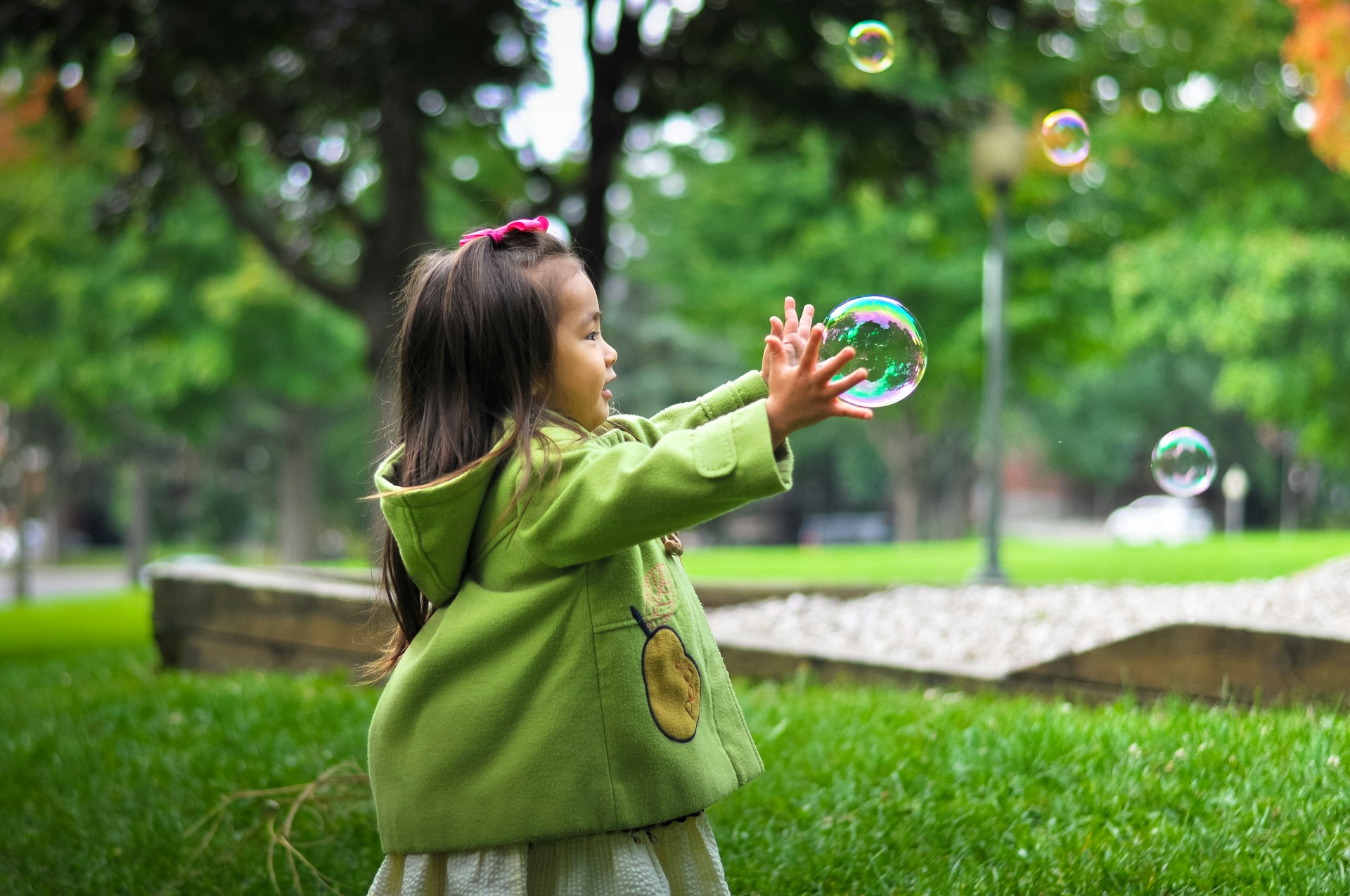
Fostering a nurturing home learning environment is instrumental in nurturing children's curiosity and promoting independent learning. This involves creating opportunities for play-based learning, which can be a powerful vehicle for exploration and development. Play allows children to engage actively with their environment, facilitating cognitive growth while simultaneously enhancing social skills through collaboration and communication with peers.
Incorporating elements of nature into the learning process can further stimulate a child's innate curiosity. Regular excursions to parks, gardens, or natural reserves enable children to observe and interact with diverse ecosystems. This experiential learning fosters inquiry-based exploration, encouraging children to ask questions and seek answers about the world around them. For instance, observing insects, studying plant life, or even sky-gazing can ignite interest in biological sciences and astronomy.
Encouraging self-directed projects is another efficacious strategy to promote independence in learning. Allowing children to choose topics or projects that excite them provides a sense of ownership over their learning process. Research shows that independent project work fosters motivation and enables deeper engagement with subject matter. Being actively responsible for the successful completion of a project cultivates problem-solving skills and enhances critical thinking.
Supporting this kind of engagement aligns with contemporary educational theories that highlight active participation in learning as crucial to cognitive development. The hands-on experiences contribute to the building of knowledge, while discussions surrounding these activities improve verbal skills and the ability to articulate thoughts. Harnessing a combination of play-based learning, nature exploration, and self-directed projects not only promotes curiosity but also reinforces independent learning strategies that are beneficial for lifelong learning.